Buying a Vocal for Your Track: An EDM Topliner on Stems, Licenses and Releasing
The short version
Buying a vocal is the easy part. EDM vocalist Robbie Hutton, who sells his own human-sung toplines through Vocal Hut, explains what you get when you buy one, what separates an exclusive license from a non-exclusive one, and what to check before you release, from Content ID to sync.
On this page
- How did he start writing toplines for other producers?
- Where does a topline start?
- What does his recording setup look like?
- What makes a bought vocal easy to work with?
- How do you make a non-exclusive vocal your own?
- What’s the difference between an exclusive and a non-exclusive vocal?
- What should you check before releasing a track built on a bought vocal?
- Why buy a human-sung vocal?
- What should you agree before working with a vocalist?
- Key takeaways
- About Robbie Hutton
Buying a vocal is the easy part. What you’re allowed to do with it, who else might be using it and what happens when your track reaches YouTube are where producers get caught out.
Robbie Hutton is an EDM vocalist and topliner. A topline is the vocal part of a song (the melody and the lyrics), written and recorded to sit on top of someone else’s production. He has been in bands since he was 12, started working with EDM producers online during the pandemic, and now sells his own vocals through Vocal Hut, alongside custom work for producers.
He sells vocals, so he has a stake in some of these answers. The licensing details below are Vocal Hut’s own terms, and the habit worth taking from them is reading the terms of whoever you buy from.
We asked him how a topline gets written and recorded, what you get when you buy one, and what to check before you release a track built on it. The questions are ours; the answers are his, edited only for length.
How did he start writing toplines for other producers?
During the pandemic. With his band on hold, he went looking for producers online who needed a vocalist, and it grew from there.
 Robbie Hutton Vocalist and founder, Vocal Hut
It really all started around the COVID pandemic. I’d been playing in bands since I was about 12 years old, experimenting with all sorts of genres, from heavy metal and punk to indie and pop.
Just before COVID, I was fronting a band called Robbie Hutton and the Distant Cousin, alongside two guys I’d actually known since primary school!
When the pandemic hit, I knew I had to keep writing music somehow. That’s when I discovered the world of EDM and started connecting with music producers online who were looking for vocalists.
Initially, I was collaborating purely on royalty splits. I wasn’t particularly focused on making money from it. I just loved writing and singing, and it gave me a creative outlet during a pretty strange time for everyone.
As I built up a catalogue of releases and gained more experience working with producers, I realised there was a genuine demand for professional vocal toplines. That’s when I started offering my services commercially, both as a session vocalist and songwriter.
Eventually, that journey led me to launch Vocal Hut, my own platform where producers can purchase original, professionally recorded EDM vocals. Today, I continue to work directly with producers on custom projects alongside running the website.
Where does a topline start?
Anywhere: a playlist, a voice memo or a blank page. He doesn’t have a fixed formula, and he thinks that’s what keeps the writing fresh.
Recently, one approach I’ve been enjoying is putting on an EDM or dance playlist on Spotify and drawing inspiration from the tracks I’m hearing. It could be a particular chord progression, a lyrical theme, a melody or even just the overall feeling of a song that sparks an idea. From there, I’ll take that initial inspiration and develop something completely original, building the rest of the topline around it.
Another approach, which happens quite often, is when an idea comes to me completely out of the blue. I could be walking down the street and suddenly hear a lyric, a melody or even an instrumental idea in my head. Whenever that happens, I’ll immediately grab my phone and record it before I forget! Sometimes it’s a five-second melody, sometimes it’s 15 seconds, and occasionally it’s practically an entire chorus. When I get back into the studio, I’ll listen to that little recording and start building a song around it.
And then there are days when I’ll simply sit down with a completely blank canvas and see what happens.
So, for me, there’s really no fixed formula. Sometimes the melody leads, sometimes it’s the lyrics, and sometimes it’s just a feeling.
The voice-memo habit is the one to copy, whatever you make. An idea that turns up on a walk rarely survives the trip back to the studio, and five seconds of humming into a phone is enough to rebuild it from.
What does his recording setup look like?
Simple, and mostly unchanged for years: a RØDE NT1 microphone, with everything mixed in the box on Waves and Soundtoys plugins.
I’ll be honest, my recording setup is actually pretty simple! I’ve never been someone who feels the need to constantly upgrade equipment or chase the latest plugins.
My microphone is a RØDE NT1, which I’ve had for years. I absolutely love how it sounds on my voice, and I’ve never really felt the need to replace it.
When it comes to mixing, I do pretty much everything in the box. My go-to plugins are mainly from Waves and Soundtoys (I absolutely love Soundtoys!). Another plugin I find essential for getting that extra crispness and air into my vocals is Fresh Air by Slate Digital. It’s a fantastic plugin, and even better, it’s free, or at least it was the last time I checked!
A couple of other must-haves in my vocal chain are Antares Vocal Reverb and H-Delay from Waves. They’re brilliant for adding depth, space and character to a vocal, particularly when working with electronic music.
For me, it’s not about having the most expensive studio or the biggest collection of plugins. It’s about knowing your equipment, understanding your voice and learning how to get the best possible sound from the tools you already have.
That last paragraph is worth dwelling on, because it runs against the way gear is usually sold. Better equipment helps, but creativity counts for far more, and a new microphone rarely stands between you and a good record. Shopping for the next upgrade can even become a way of putting off the actual work of writing and singing.
Robbie makes vocals for a living on a microphone he’s owned for years and a handful of plugins, one of them free. That’s the example worth following: learn what you have before you buy more.
If you’re building a vocal chain of your own, our guide to building one that fits your recording covers the order the plugins go in and why.
What makes a bought vocal easy to work with?
Clean, aligned stems in more than one state of processing, so you can start producing straight away. A dry stem is the vocal with no effects on it; a wet stem has the reverb, delay and the rest printed in.
For me, it’s all about making the producer’s life as easy as possible. The last thing you want is someone purchasing a vocal and then having to spend hours fixing technical issues before they can even start producing their track!
First and foremost, I make sure all the vocal stems are perfectly aligned and in time with each other. I also make sure everything is properly cleaned up and de-clicked, so producers aren’t dealing with unwanted noises or clicks in the recordings.
Typically, when someone purchases a topline from Vocal Hut, they’ll receive completely dry vocal stems, slightly processed dry stems and fully processed wet stems. This gives producers maximum flexibility depending on how they want to approach their production.
I also include piano MIDI files, which producers can drag directly into their DAW to help build the instrumental around the vocal. Most of my toplines actually start with me playing piano chords behind the vocal, so having that MIDI available can be a really useful starting point.
That MIDI file is worth more than it sounds. Building a track around a vocal starts with the chords it was written over, and having them as MIDI saves you working them out by ear, which is the slowest part of starting from someone else’s topline.
How do you make a non-exclusive vocal your own?
In the production. Other producers may be releasing the same vocal, so the arrangement, the chops and the processing are where your version gets its identity.
I’d encourage producers to get creative with how they use a vocal, especially when purchasing a non-exclusive licence.
Because other producers can potentially use the same topline, there’s a real opportunity to make your version stand out by experimenting with vocal chops, effects, arrangement and creative processing. Two producers could take exactly the same vocal and create two completely different records!
Another little tip I’d give is to experiment with blending the dry and wet vocal stems together. When done carefully, this can sometimes give you a fuller, more polished vocal sound. Just be mindful of phase alignment and overlapping effects when combining them.
Ultimately, I think the best results come when producers treat a topline as a creative starting point rather than something they have to follow rigidly.
His warning about phase is the part to take seriously. If the wet stem was bounced through anything that adds latency, the two copies can sit a few samples apart, and blending them makes the vocal sound thin and hollow rather than fuller. Zoom in, check that the transients line up, and listen for that hollowness as you bring the second stem in.
What’s the difference between an exclusive and a non-exclusive vocal?
How many producers can use it, and who gets the publishing. At Vocal Hut, the files you receive are the same either way.
In terms of what producers actually receive, there’s no difference between my exclusive and non-exclusive vocals. Both come with the same professional vocal assets, including dry and wet vocal stems, piano MIDI files, an MP3 vocal mix and a lyric sheet.
The main difference comes down to the licensing and how many producers can use the vocal.
An exclusive vocal is sold only once, to one producer, and is then permanently removed from sale. That producer gets exclusive rights to use the vocal in their production, which is naturally reflected in the higher price.
A non-exclusive vocal, on the other hand, can be licensed to multiple producers, meaning several different artists could potentially release their own versions using the same topline. That’s why non-exclusive vocals are considerably more affordable.
With my non-exclusive vocals, producers can monetise their finished tracks and keep 100% of both the master and publishing royalties under the terms of the licence.
For my exclusive vocals, the producer receives 100% of the master royalties, while the songwriting and publishing royalties are split 50/50 between the vocalist and the producer.
Here are the two side by side, from Vocal Hut’s published license terms as of November 2026:
| Non-exclusive | Exclusive | |
|---|---|---|
| Who else can use the vocal | Any other buyer | Nobody: it comes off sale |
| Master royalties | 100% yours | 100% yours |
| Publishing (songwriting) royalties | 100% yours | Split 50/50 with the vocalist |
| Price | Lower | Higher |
Master royalties are what the recording earns; publishing royalties are what the song itself earns as a composition, and they are collected through a PRO (a performing rights organization, such as PRS in the UK or ASCAP and BMI in the US). On an exclusive, Vocal Hut’s license asks you to register the vocalist’s 50% share with the relevant society, so his name goes on the song registration alongside yours.
Other sellers write their own terms, and the splits vary. The questions in the table are the ones to answer before you pay.
What should you check before releasing a track built on a bought vocal?
The license, Content ID, your credits at the distributor and, if the track could ever end up in a film or an advert, sync.
I think the most important thing is to understand exactly what you’re licensing before you release anything. Just because you’ve purchased a vocal doesn’t necessarily mean you own every right associated with it.
First, I’d always recommend reading the licensing agreement carefully, particularly when it comes to royalties, publishing splits and credits.
Another really important consideration is Content ID. If you’re using a non-exclusive vocal, you shouldn’t register the finished track with YouTube Content ID, as other producers may legally be using that same vocal in their own releases. You don’t want to end up accidentally claiming somebody else’s music!
I’d also recommend double-checking your distribution details before uploading to Spotify, Apple Music or any other streaming platform. Make sure the songwriter credits, publishing information and artist details are correct and consistent with the agreement.
And finally, if you’re planning to use the track in a film, advertisement, television programme or any other sync placement, make sure your licence actually covers that usage. Sync licensing can involve additional permissions, particularly where multiple parties control the songwriting and master rights.
Ultimately, my biggest piece of advice is to get everything clear before releasing. A few minutes spent checking your licence and credits can save you a lot of unnecessary headaches further down the line!
Each of those has a concrete version worth knowing.
Content ID is YouTube’s system for matching uploaded videos against registered audio and claiming the revenue for whoever registered it. Register a track built on a non-exclusive vocal, and the system can start claiming other producers’ releases that use the same vocal. Vocal Hut’s non-exclusive license makes it a rule: “The licensee must NOT register content ID.”
Your distributor may register it for you. As of our last check in October 2026, TuneCore and CD Baby included YouTube Content ID with their plans, and DistroKid sold it inside its Social Media Pack, which also registers tracks with TikTok, Instagram and Facebook (how DistroKid’s Content ID works). Before you upload, check whether yours does it automatically, and leave it off for a track built on a non-exclusive vocal.
Credits are part of the license too. Vocal Hut’s non-exclusive license, for example, does not allow you to credit him as a primary or featured artist on the release.
And sync needs its own check. Vocal Hut’s exclusive license says in so many words that it is not a direct sync license for TV, film or video games, and that any placement needs separate clearance.
Why buy a human-sung vocal?
In his view, for the performance, the lyrics and a clear chain of rights.
For me, it comes down to three things: authenticity, emotion and knowing exactly where your vocal comes from.
When you work with a real singer, you’re getting a genuine human performance. Every breath, every little imperfection, every change in tone and emotion comes from an actual person who has experienced real life. I think there’s something incredibly powerful about that, and it’s something AI still struggles to replicate convincingly.
And then there’s the songwriting itself. Despite how quickly AI music technology has developed, I still don’t think it’s particularly good at writing genuinely meaningful lyrics. It can certainly generate catchy phrases and imitate existing songwriting styles, but there’s a difference between putting words together and actually having something to say.
Another massive factor, particularly for music producers, is knowing exactly what you’re buying and where it came from. When someone purchases a vocal from Vocal Hut, they know that every lyric, melody and vocal performance has been written and recorded by a real person (me!). They also receive a clear licensing agreement explaining exactly how they can use and monetise that vocal.
Personally, I still think releasing AI-generated vocals carries risks, particularly when it comes to copyright, ownership and commercial licensing. The legal landscape is still developing, and I wouldn’t want to build a commercial release around something where the rights might be difficult to establish.
And personally? I still think a great human vocal sounds better too!
We think that’s an example worth following. AI can be a genuinely useful tool in a session, but it shouldn’t replace what a human performance carries: someone writing the words, singing them and meaning them. A vocalist who writes, sings and records every vocal he sells, and says so plainly, is the kind of music business we’d like to see more of.
Whatever you think of AI vocals, the rights point applies to any vocal you didn’t record yourself: before you release, know who owns what you’re building on. We’ve looked at that question from the AI side in the ethical concerns AI-generated music raises for the industry.
What should you agree before working with a vocalist?
Everything, in writing, before the work starts: the fee, the brief, the splits, the revisions and exactly what gets delivered.
My biggest piece of advice would be to get absolutely everything agreed in writing before you start working together!
That includes the vocal fee, the creative brief, any agreed royalty or publishing splits, the number of revisions included and exactly what the vocalist is expected to deliver.
Whenever I’m collaborating with another producer, I actually use a really simple agreement. Sometimes it’s nothing more than a message over Instagram outlining the terms of our collaboration, followed by the producer replying with “I agree.” It doesn’t always need to be some enormous, complicated contract, but having a written record of what both parties have agreed to can be incredibly valuable if any disagreements arise further down the line. Of course, a more formal agreement is always preferable for larger commercial projects.
My second piece of advice would be to communicate your creative vision in as much detail as possible right from the beginning. If you’ve got a particular vocal style, melody, lyrical theme, emotion or reference track in mind, let the singer know! This is particularly important when it comes to revisions. Some vocalists include one or two revisions in their fee before charging extra, so having a clear brief from the outset can save both time and money.
I’d also encourage producers to give the vocalist a little creative freedom. Sometimes a singer will come up with a melody, harmony or lyrical idea that you hadn’t even considered, and that could end up being the strongest part of the entire track!
Ultimately, I think a successful collaboration comes down to three things: clear agreements, good communication and mutual respect.
A message and an “I agree” is a low bar, and that’s the point: it’s low enough that there’s no excuse for skipping it. The fee, the split, the number of revisions and the list of files to be delivered fit in one message, and they’re exactly the four things people argue about later.
Key takeaways
- Read the license before you pay, not after. Exclusivity, the publishing split, credits and sync all vary from seller to seller.
- Never register a non-exclusive vocal with Content ID, and check whether your distributor does it for you at upload.
- Ask for dry and wet stems, and line them up before you blend them. A few samples out and the blend sounds thinner, not fuller.
- Make a non-exclusive vocal yours in the production. The arrangement, the chops and the processing are what other producers using the same vocal won’t have.
- Put the terms in writing before a custom session, even if it’s one message and a reply. Fee, split, revisions and deliverables.
About Robbie Hutton
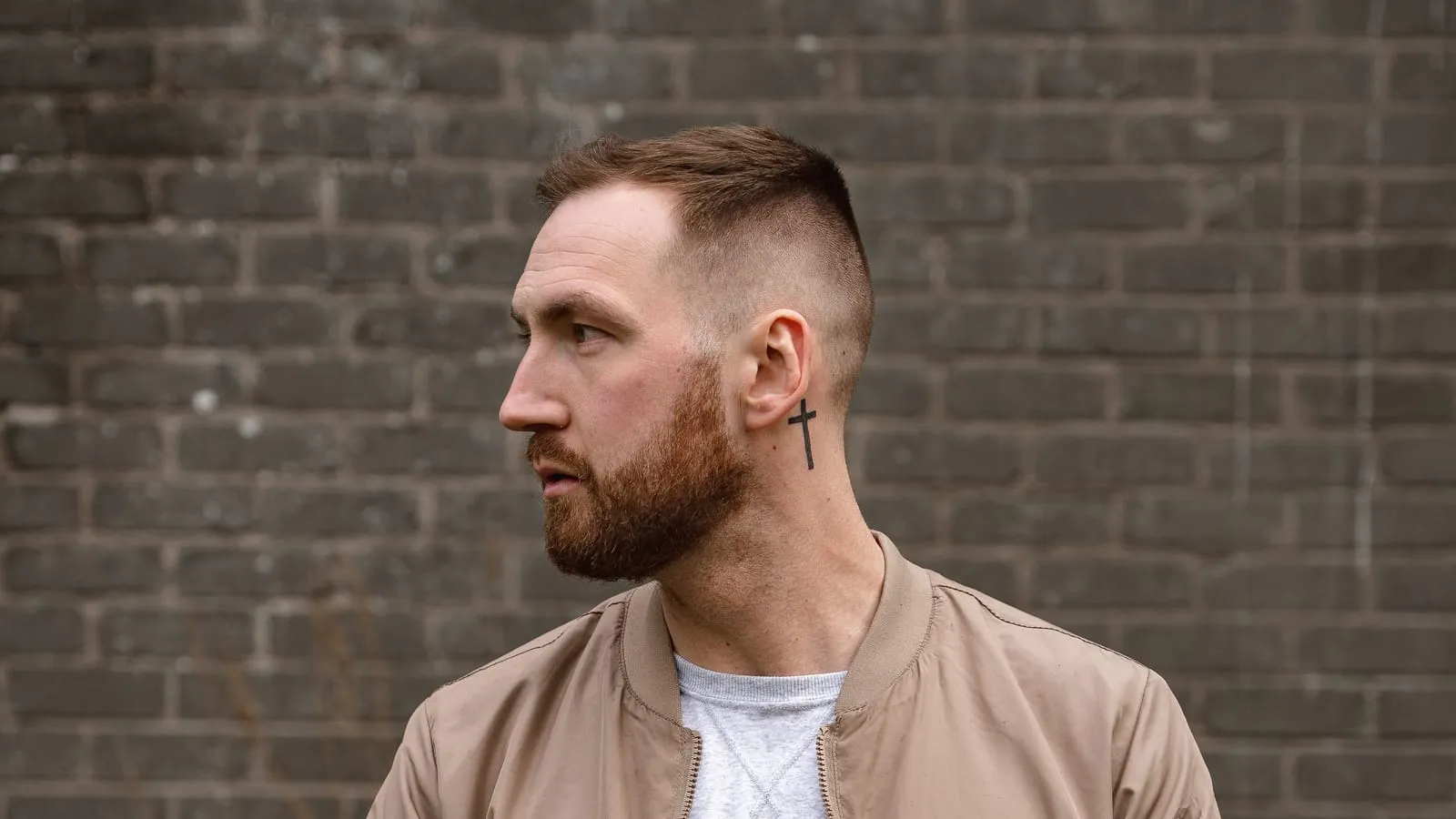
Robbie Hutton is an EDM vocalist, topliner and the founder of Vocal Hut, where every vocal is written, sung and recorded by him. He gave these answers in November 2026 and read the piece before it went up. Photographs supplied by Robbie Hutton.
Robbie has also put together a pack of free vocals for readers on his Free EDM Vocals page: enter your email there and the download link arrives in your inbox. If you’ve never worked on a real vocal, it’s a good place to start. Drop one into a mix of your own, then tune it, tighten the timing and find the processing that makes it sit. It’s great practice, and if you’re anything like us, editing vocals may turn into your favorite part of a session. You can use them in your own productions, commercial releases included, under his standard non-exclusive license, so the Content ID and credit rules above apply to them too. It’s a large download (about 760 MB), so grab it on a good connection.
His music is on Spotify, and he is on Instagram, YouTube and TikTok. Nothing here was paid for and no link in this piece is an affiliate link.
Thank you, Robbie, for answers this thorough, for the photos and for the free vocals for readers.